

Donor segmentation for nonprofits
Turn donor data into personalized fundraising that strengthens relationships and drives revenue.
Donor segmentation helps nonprofits turn donor data into more personalized and effective fundraising.
By grouping supporters based on giving history, engagement, interests, and other meaningful characteristics, nonprofits can deliver fundraising communications that better reflect each donor’s relationship with their mission. In turn, an effective donor segmentation strategy can strengthen donor engagement and retention, identify opportunities for upgrades and major gifts, and help fundraising teams focus their time and resources where they can have the greatest impact.
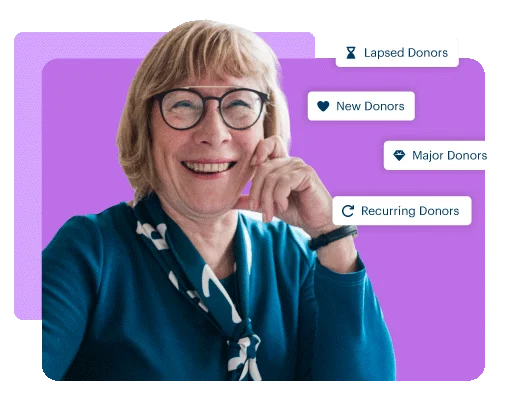
Build a stronger donor segmentation strategy with connected fundraising tools
DonorPerfect brings donor data, insights, reporting, and outreach together in one system, helping your team identify the right audiences and deliver more relevant messaging—without added manual work or disconnected workflows.
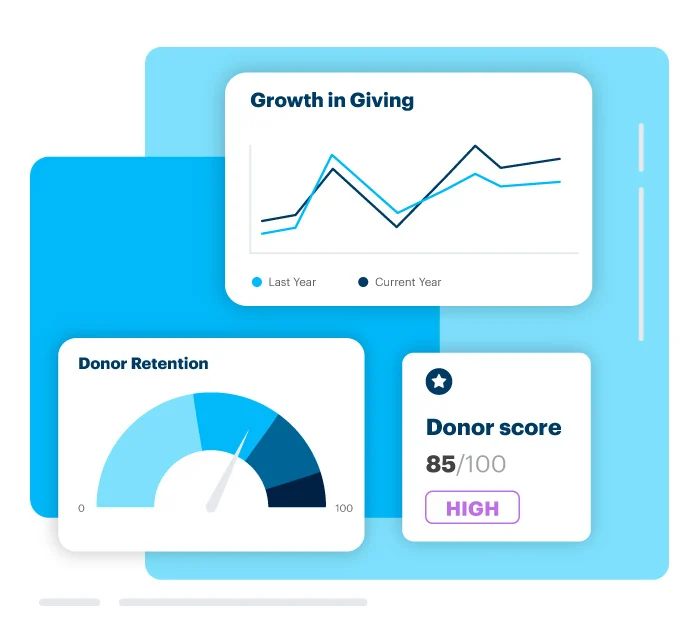
Turn donor data into actionable audiences
Effective donor segmentation starts with understanding who your supporters are and how they engage with your organization. DonorPerfect helps you use giving history, engagement, and other donor data to create meaningful segments and prioritize the right fundraising opportunities.
- Reporting and analytics — Uncover giving patterns and understand performance across donor groups
- Selection filters — Create targeted donor lists using the criteria that matter to your strategy
- DonorSearch — Add wealth intelligence and philanthropic activity to major donor prospecting
- Donor Score — Identify and prioritize supporters based on donor engagement
- Custom fields — Capture the unique donor information your organization needs for more relevant segmentation
BLOG
The Donor Segmentation Checklist: 5-Step Framework for Smarter Fundraising
Learn everything you need to know about building a segmentation strategy that strengthens donor relationships and grows fundraising revenue.

Personalize fundraising across channels
Donor segmentation works best when data insights inform meaningful action. DonorPerfect connects donor data with fundraising communications, helping your team deliver more relevant messages across channels without juggling disconnected lists and systems.
- Constant Contact — Turn donor segments into targeted nonprofit email campaigns
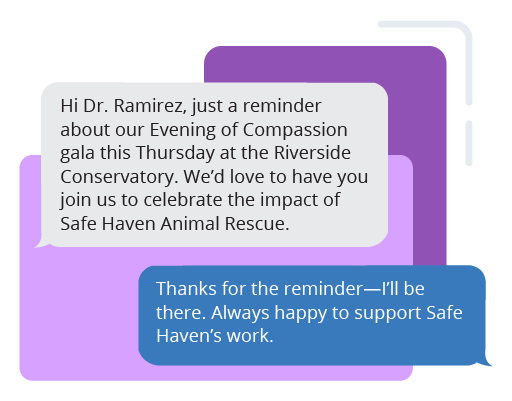
- DP Text — Reach the right supporters with timely, personalized SMS messages
- SmartActions — Automate alerts and follow-up based on donor activity
- Direct mail — Use your donor data to create more targeted appeals and communications
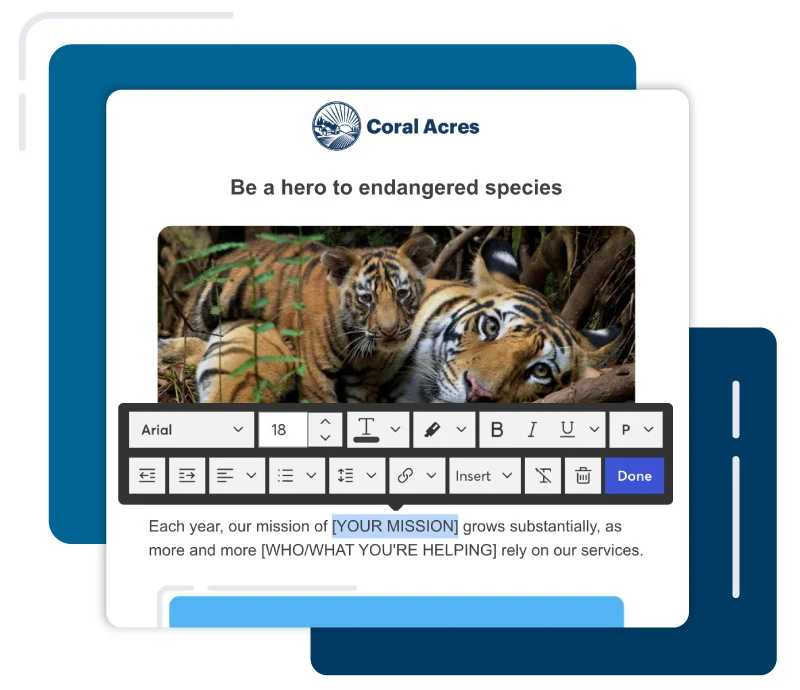
Send the right message to every donor segment
DonorPerfect’s Constant Contact integration connects donor data with email marketing, making it easier to send more relevant fundraising and stewardship messages.
- Build targeted email audiences
- Personalize outreach by donor segment
- Keep donor and engagement data connected
Turn donor segments into personalized donor journeys
Every donor relationship is different. Your fundraising should be, too.
Use donor segmentation to recognize where supporters are in their journey and create outreach that gives each group a meaningful next step.
NEW DONORS
Turn a first gift into a relationship
Welcome new supporters, learn what motivated them to give, and build an early stewardship journey that encourages a second gift.
RECURRING DONORS
Strengthen long-term commitment
Recognize sustained support, communicate ongoing impact, and identify opportunities to deepen monthly donor relationships.
LAPSED DONORS
Reconnect before relationships fade
Identify LYBUNT and SYBUNT donors and tailor re-engagement based on previous giving, interests, and engagement.
MAJOR DONORS
Focus personal attention where it matters
Combine giving history, engagement, and prospect intelligence to identify and cultivate high-potential supporters.
Ready to put donor segmentation into action?
See how DonorPerfect helps you identify the right audiences, personalize outreach, and track fundraising results in one system.
Watch and learn with nonprofit webinars
Explore on-demand expert sessions designed to help you segment supporters and tailor your fundraising communications.
Boost your fundraising skills with nonprofit blogs
Discover expert strategies and practical tips for engaging every donor segment.
Put your donor segmentation strategy into action
Learn how to turn giving and engagement data into meaningful outreach.
Frequently Asked Questions
What is donor segmentation?
Donor segmentation is the practice of grouping supporters based on shared characteristics, behaviors, or giving patterns. Nonprofits may segment donors by giving history, recency, frequency, gift amount, engagement, or interests to create more personalized fundraising communications, strengthen donor relationships, and improve retention.
What are the most common donor segments for nonprofits?
Many nonprofits group donors by recency, frequency, interests, and giving level, depending on their fundraising goals. Common donor segments include first-time donors, recurring donors, major donors, lapsed donors, event attendees, and highly engaged supporters. It’s also typical to consider LYBUNT and SYBUNT groups—donors who’ve given “last year but not this year” or “some year but not this year.” While it’s important to have a full view of each of these groups, the donor segments your nonprofit chooses to prioritize will depend on your size, capacity, and fundraising goals.
How do nonprofits segment donors for more personalized fundraising?
Nonprofits use CRM data to group donors based on giving history, interests, engagement, campaign activity, or giving potential. These segments can then support more relevant outreach across email, direct mail, text messaging, major gift cultivation, and other multichannel fundraising efforts.
How does donor segmentation improve donor engagement and retention?
Donor segmentation helps nonprofits tailor communications to each supporter’s relationship with the organization. More relevant outreach can improve engagement, strengthen stewardship, and reduce poorly timed or generic messaging. For example, first-time donors, recurring donors, major donors, and lapsed donors may each receive different communications and next steps.
What donor segmentation metrics should nonprofits track?
Useful donor segmentation metrics include giving recency, frequency, and monetary value; donor retention rate; donor lifetime value; recurring giving status; and donor engagement.
Depending on their goals, nonprofits may also track:
- LYBUNT and SYBUNT status
- Monthly giving upgrades or cancellations
- Major donor capacity and engagement
- Campaign response and revenue by segment
What tools do nonprofits need for effective donor segmentation?
Effective donor segmentation starts with a fundraising CRM that can organize donor data, build flexible lists, track engagement, and report on results. Valuable capabilities include custom filters, donor scoring, reporting, wealth intelligence, email and multichannel communication tools, and data hygiene automation.
How can AI improve donor segmentation for nonprofits?
AI can help nonprofits identify patterns and opportunities in donor data that may be difficult to uncover manually. AI-assisted segmentation can support audience identification, engagement analysis, and outreach prioritization, but it works best when paired with accurate data, clear fundraising goals, and human judgment.
What should nonprofits look for in a CRM for donor segmentation?
A nonprofit CRM should make it easy to turn donor data into targeted fundraising action. Look for flexible filtering, customizable segments, donor engagement insights, reporting, data hygiene tools, and connections to email and other fundraising channels.