You had a great donor meeting. The conversation flowed, your donor seemed genuinely excited about your mission, and you walked away feeling good about the relationship.
But then you realized something: You never actually made the ask. Sound familiar?
In DonorPerfect’s recent webinar, The Year-End Ask: Practical Language, Smart Follow-Up, and Closing the Gift, nonprofit executive coach and Practivated founder Mallory Erickson shared insights from analyzing 2,500 donor conversations, revealing a common challenge: Fundraisers often build strong connections but struggle to make clear asks and establish next steps.
Here’s how to approach donor conversations with greater confidence and turn those connections into commitments.
How to move donor conversations toward a commitment
Fundraisers know that strong donor relationships are essential to long-term fundraising success. But Mallory says there’s a difference between building a relationship and moving it toward a commitment.
She calls this the “donor friend zone.” It’s what happens when a meeting feels warm and productive, but neither person leaves knowing what comes next.
Mallory’s analysis of donor conversations identified two common challenges:
- Ask effectiveness – Making a clear, relevant invitation to give
- Structure and transitions – Moving naturally from conversation to commitment
Fundraisers can approach these conversations with a clear purpose while remaining curious about the donor’s interests and motivations.
As Mallory reminds fundraisers, “Talking about money is not the same thing as being transactional.” A conversation becomes transactional when the fundraiser focuses solely on the potential gift instead of getting to know the person behind it.
How to prepare for a donor meeting
Even experienced fundraisers can feel nervous about asking for donations, especially during the busy year-end season.
Maybe you’re worried about asking for too much, damaging a relationship, or hearing no. Mallory explained how these fears can activate your body’s stress response, making it harder to access the curiosity, creativity, and communication skills you need most.
That’s why she recommends leaving approximately 15 minutes between a stressful task and an important donor meeting. Even five minutes spent walking, breathing, or reconnecting with your mission can help you show up more intentionally.
Before your next meeting, ask yourself:
- What kind of meeting is this?
- What am I hoping to accomplish?
- How will I prepare?
- What will I listen for?
- What will I ask?
Your goal should be more specific than simply building a relationship. Perhaps you’re exploring a donor’s interest in a new program, discussing a matching gift, or inviting them to increase their support.
And don’t let preparation become procrastination. Mallory encouraged attendees to schedule their donor meetings first, then use the upcoming conversations as motivation to prepare.
How to ask donors for support with confidence
One of Mallory’s most important recommendations for year-end fundraising asks is to answer two questions:
- Why this donor? Consider what has inspired their past support and what interests they may have in your organization
- Why now? Think about what’s happening at your nonprofit that might make this a relevant opportunity for them
These questions can help you make a more personal invitation that reflects the donor’s connection to your mission.
For example, Mallory encouraged fundraisers to look beyond their largest contributors when identifying people to meet with.
A donor who has made three smaller gifts to different campaigns throughout the year may be demonstrating a particularly strong interest in your mission.
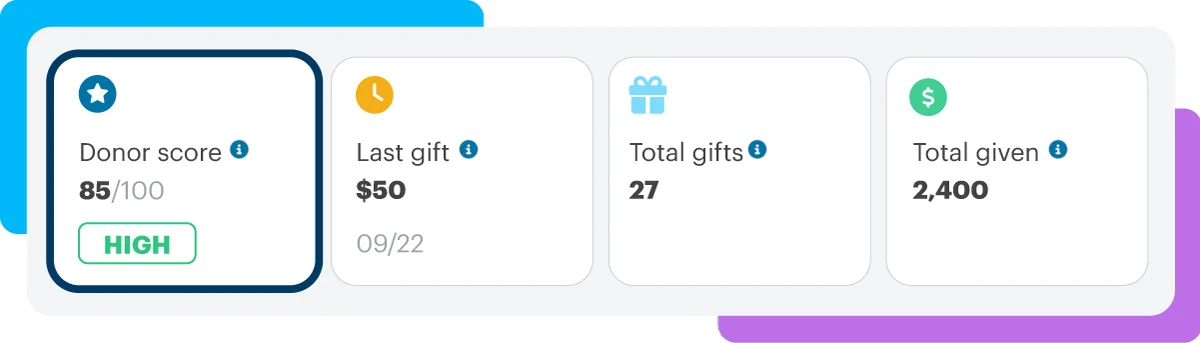
Identify engaged supporters with Donor Score
DonorPerfect’s built-in Donor Score helps you understand donor giving patterns by looking at how recently, how often, and how much supporters contribute. Use these insights to prioritize donors for more personal outreach.
Once you’ve identified who to contact, be transparent about why you’d like to meet.
Instead of disguising a fundraising conversation as a casual catch-up, explain that you’d like to share an opportunity for deeper involvement.
When donors know what to expect, fundraisers can spend less time worrying about how to bring up money and more time listening to what matters to them.
How to understand what motivates your donors
Mallory encourages fundraisers to approach donor conversations with genuine curiosity, asking thoughtful questions rather than relying too heavily on a prepared script.
Before introducing a gift amount, Mallory recommends learning what motivates the donor and what meaningful involvement looks like to them.
For someone who has supported several campaigns, Mallory suggested asking why they chose to give repeatedly throughout the year and what has resonated most with them.
Questions like this allow supporters to explain their connection to your mission in their own words.
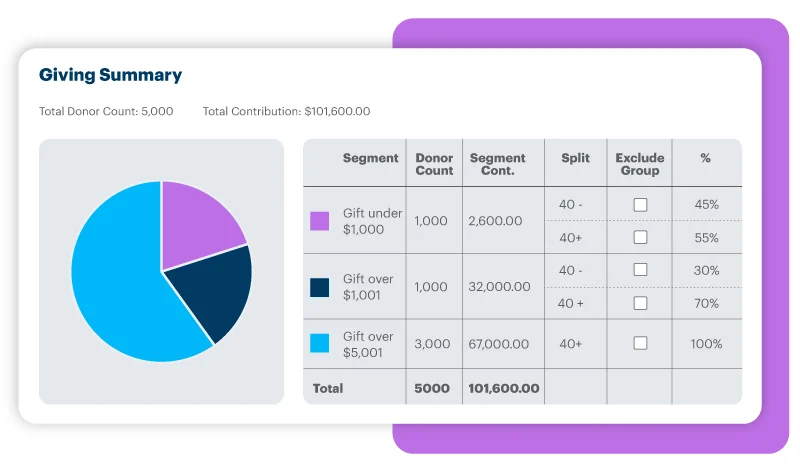
Personalize your outreach with donor segmentation
DonorPerfect’s donor segmentation tools help you group supporters by giving history, engagement, and interests. Use these insights to prepare for donor meetings, personalize your outreach, and ask questions that reflect each supporter’s connection to your mission.
Mallory also recommends asking about the most meaningful philanthropic partnership a donor has experienced. You might ask:
- What made that experience special?
- How did you participate?
- What did you find most rewarding?
Their answers can help you better understand their interests, previous giving experiences, and how they prefer to support the causes they care about.
Use what you’ve learned about the donor to introduce a program or project that reflects their interests.
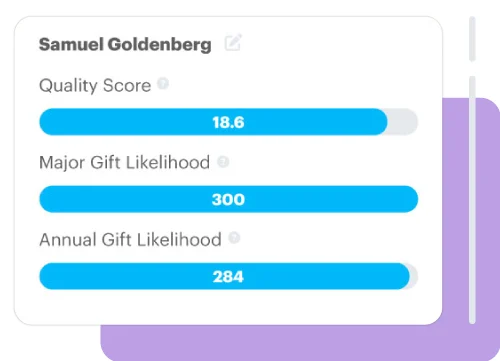
Make more informed asks with DonorSearch
When considering an appropriate gift amount, DonorSearch’s prospect research tools can provide insight into a donor’s giving history, philanthropic interests, and estimated giving capacity. Through its integration with DonorPerfect, your team can use this information to prepare for more personalized fundraising conversations.
How to make a donation ask
It’s easy to feel pressure when the conversation reaches the financial ask, especially when you’re unsure how the donor will respond.
Mallory encouraged fundraisers to approach the process differently.
She describes the ask as a “series of yeses,” with each step inviting the donor’s permission to move forward.
Based on Mallory’s approach, here’s how you can structure the conversation:
- Discover their interests – Learn what matters most to the donor
- Introduce an opportunity – Ask whether they’d like to hear more about a relevant project
- Discuss the investment – Ask permission to explain what financial support could make possible
- Make the ask – Invite the donor to consider a specific gift aligned with their interests and capacity
- Pause and listen – Give them space to respond without filling the silence
After presenting the opportunity, Mallory suggests asking: “How does that feel to you? Does that align with your appetite for involvement this year?”
One of the hardest parts, Mallory explained, is allowing silence after making the ask. Give donors time to consider the opportunity without immediately explaining, negotiating, or softening your request.
And remember that a financial commitment may take more than one conversation. The goal is to create a thoughtful invitation, not pressure someone into an immediate decision.
Mallory’s key takeaway: Give donors time to explore the opportunity, ask questions, and consider a gift that aligns with their interests and capacity.
How to follow up after asking for a donation
Even a promising donor meeting can lose momentum when the next step is unclear.
Maybe your donor needs time to consider the opportunity or wants to discuss it with their partner. Rather than leaving the conversation open-ended, Mallory recommends agreeing on a specific follow-up plan before the meeting ends.
For example, if a donor needs time to talk things over, you might suggest scheduling a check-in two weeks later. This gives the donor time to consider the request and provides a clear date for reconnecting.
The same principle applies when someone hesitates or declines an invitation. Instead of immediately trying to overcome their concerns, listen, ask thoughtful questions, and determine an appropriate next step together.
Stay on top of donor follow-up with Moves Management
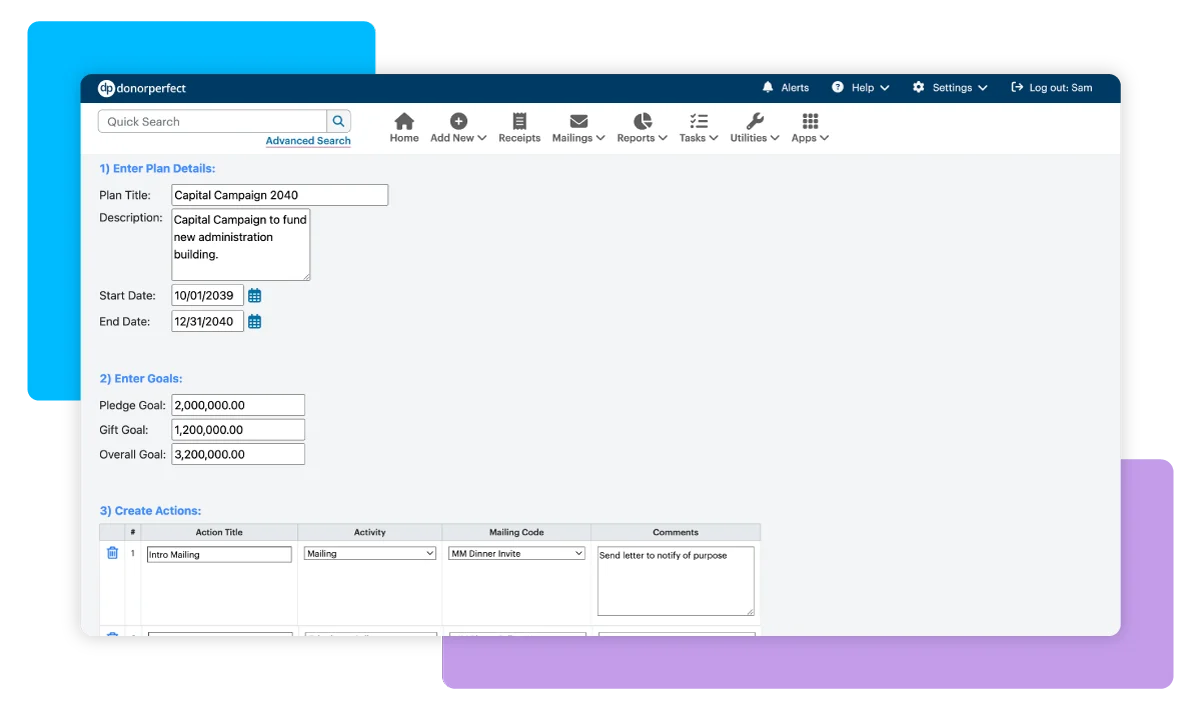
DonorPerfect’s Moves Management tools help you track donor conversations, assign follow-up tasks, and manage next steps in the relationship. Keep your team organized so important opportunities for donor engagement don’t fall through the cracks.
Practice before the moments that matter
Mallory recommends practicing difficult donor conversations ahead of time to build confidence and become more comfortable navigating unexpected questions.
Instead of rehearsing entire donor meetings, focus on specific moments that feel uncomfortable, like transitioning into a financial conversation, naming a gift amount, or responding when a donor expresses hesitation.
You can rehearse with colleagues or use Practivated, DonorPerfect’s fundraising conversation practice partner, to work through realistic donor scenarios and receive personalized feedback.
As Mallory reminded attendees, you don’t want your most important donor meetings to be the first time you’ve practiced these skills.
Put your year-end fundraising plan into action
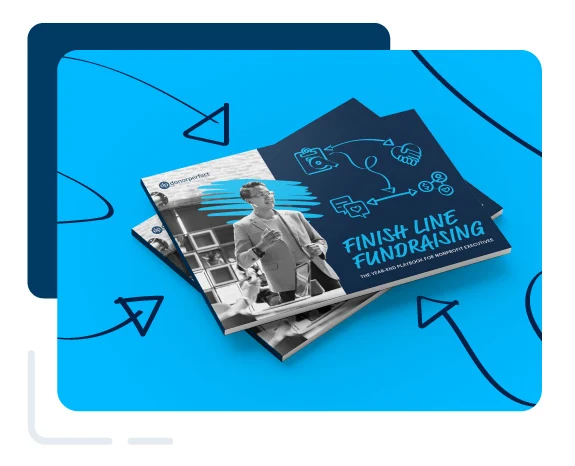
DonorPerfect’s free guide, The Year-End Playbook for Nonprofit Executives, provides practical guidance for setting fundraising goals, identifying potential donors, planning outreach, and keeping your team on track through the end of the year.
Take your next step with confidence
Mallory’s advice gives fundraisers a practical way to approach year-end asks with less hesitation. Preparing ahead of time, asking thoughtful questions, and being direct about giving opportunities can make donor conversations easier to navigate.
Start by choosing one action to take today:
- Schedule a conversation with a donor who’s consistently supported your mission
- Prepare a clear, relevant invitation to give
- Practice making an ask and allowing space for a response
- Establish a specific next step before ending your next donor meeting
With practice and preparation, you can approach donor conversations with greater confidence, learn what motivates your supporters, and make thoughtful asks that reflect their interests.
Each conversation gives you another opportunity to strengthen the relationship and help donors decide how they’d like to support your mission.
Download your Year-End Playbook
Prepare your team, plan your asks, and finish the year with confidence. Get your free playbook >>