
Nonprofit communications managers wear many hats a day. While each hat is an essential part of keeping the organization thriving, only so much can be accomplished without a specific workflow in place. Effective email management saves time spent on daily tasks to improve the success of your communications.
Successful email marketing also engages your entire community to fundraise, activate supporters, advocate for your cause, and thank donors for their generosity and commitment to your mission. And it all starts with your donor engagement tools.
Improve productivity and increase donor support without starting over. The Digital Fundraising Makeover for Nonprofits is your breath of fresh air for all your online outreach, introducing tools that make life easier and keep donors engaged.
Skip to guide
How do you organize and optimize your donor email strategy?
There are many tools available to help nonprofits manage their digital donor communications. The key is getting them to work together to:
- Track email engagement
- Send relevant communications
- Tailor a unique message
- Collect data through your forms
- Increase donor conversion
- Improve the materials you have
Donor communication tip #1
Track donor email engagement in your CRM
You probably know at least one person within your organization who occasionally uses their preferred email application outside of your CRM.
If your staff is sending emails from different places, it can cause confusion for the sender and recipient, especially when there is turnover. This has long been an issue for the nonprofit sector, with an average turnover rate higher than the all-industry average. Not to mention, nobody enjoys switching back and forth between accounts to get the information they need. In this cloud-based day and age, your donor outreach should live and breathe in the same database.
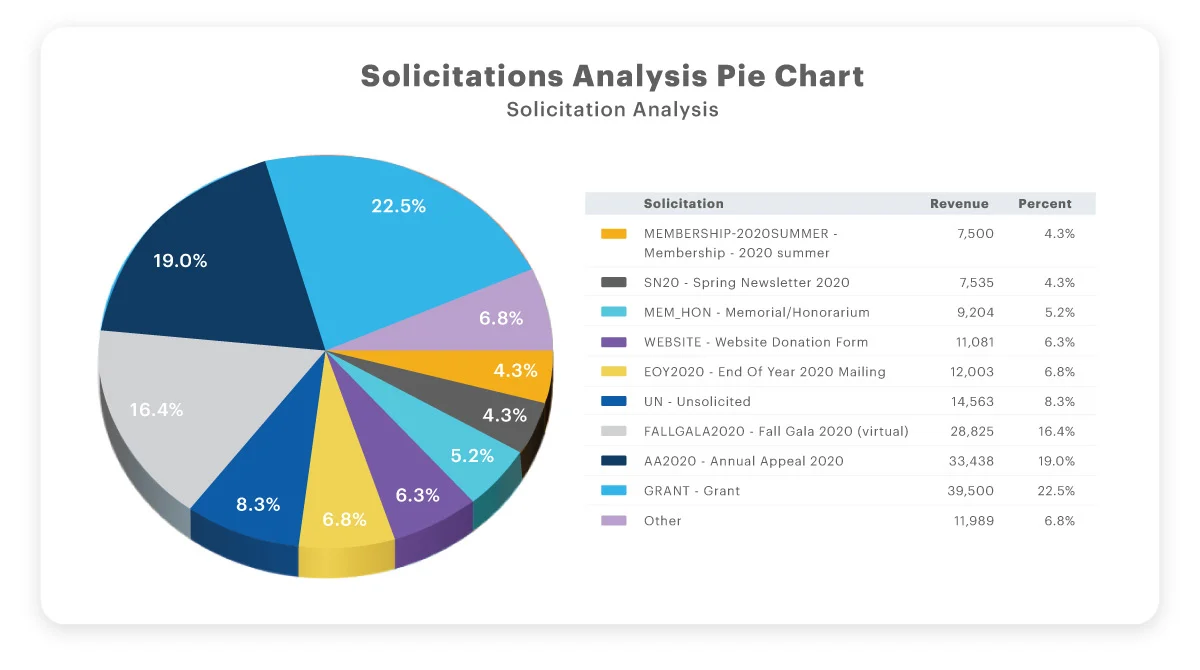
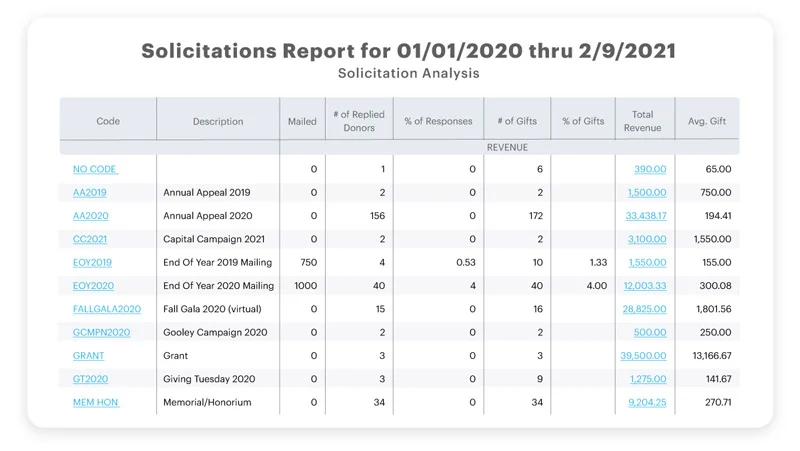
Donors feel more comfortable connecting with a nonprofit that knows them, so it’s important to maintain continuity in cultivating lifelong relationships. When your communications are in one central location, they can be properly tracked and analyzed to reveal trends, giving insight into the messages that motivate donors to give.
DonorPerfect offers a Bcc Email integration that automatically syncs your outbound emails composed elsewhere – Gmail, Outlook, and more – with your CRM, keeping your donor communications in the same safe place to share with your entire team.
Donor communication tip #2
Send relevant messages to the right donors
The importance of understanding your audience can’t be understated. For example, you wouldn’t ask an inactive donor to join your monthly giving program if they haven’t contributed in fifteen years, and you wouldn’t send your volunteer an invite for the event they’re working. But with gifts to record, emails to send, and donors to engage, wires can easily get crossed.
Segmenting your email lists keeps communications relevant to prevent lapsed donors and unsubscribers. It’s also proven to increase click-through and email open rates significantly.
Using your chosen criteria, separate your supporters into small, connected groups that highlight their specific interests. Donors can be grouped by geographical location, how much they give, how recently they gave, which campaigns they have given to, and more.
To start, try segmenting your donors by recency, frequency, and gift amount to create email groups. For example, if grouping by giving level ($0-50, $50-$100, and so on), you can email each group with a targeted appeal, like an online donation form with a default amount that matches their giving history.
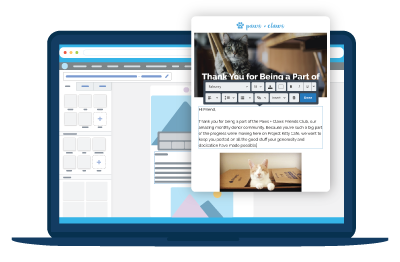
With Constant Contact, you can manage your donor communications in just a few simple steps
- Sync your segmented DonorPerfect data
- Create an impactful email campaign with easy-to-use, drag-and-drop templates
- Schedule your emails
- Track their success through robust reporting tools
- Repeat!
Learn more about our Constant Contact integration »
Donor communication tip #3
Tailor communications to each unique supporter
All of your donors have the common goal of seeing your mission succeed, but each one is interested in different aspects of your work. Aside from speaking with them directly, the best way to determine their interests is through their history with your organization – events they’ve attended, projects they’ve supported, or their survey responses, for example. Obviously, you don’t have the time to look at each donor individually. Through CRM reporting features like analytics dashboards and filters, you can get a bird’s-eye view of your data to identify trends.
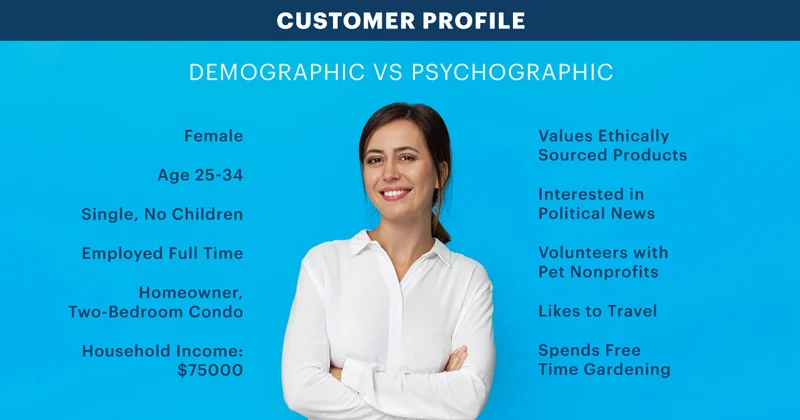
Consider these factors to pique donors’ interests:
Delivery method
By tracking your donors’ giving history, you determine how to best communicate with each unique constituent. Knowing this information, you might not even want to email certain groups at all – for example, millennial donors who make small, frequent donations might prefer joining a monthly giving program via text message.
Gift type
Reporting on giving history also presents the opportunity to single out the people providing sustaining revenue for your organization. By engaging with those who give the most, you can secure funds for future projects. Try inviting frequent donors to join a monthly giving program, or ask major donors to help with a matching gift campaign.
Messaging
Different groups will necessitate different messaging, but don’t worry – you don’t have to rewrite the entire appeal for each segment you’re soliciting. Consider changing the sender, subject line, call to action, or delivery time, as these four components have the highest impact on open and click-through rates. If sending an email to a long-time, major donor, perhaps it should come from your director, and the subject line should thank them for their commitment to your work.
DonorPerfect’s compound reporting filters ensure your donor is only included in one segment. If a donor falls into multiple groups, DonorPerfect reports help you determine which is most influential and send the appropriate appeal.
Donor communication tip #4
Lean on donation forms that do data entry for you
Online donation forms do more than just create momentum around your mission. They collect data for you, giving you time to really get to know your supporters. When integrated with your CRM, online donation forms can sync and store donor information you’ve collected (i.e. gift amount, giving level, or giving history) to leverage in future opportunities – like personalizing each email solicitation you send out.
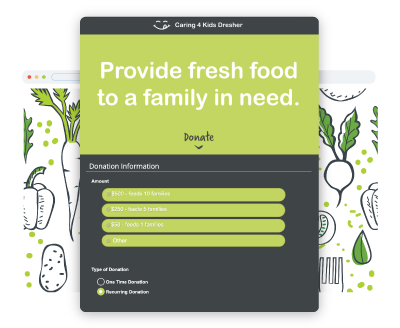
Equally as important, online donation forms allow your amazing supporters to trust that giving to your organization is safe and secure. To build that trust, clearly communicate your fundraising goal on a dedicated donation form linked to your website, and then design the form to match your other marketing materials. It’s best when your donation form shares the same logo, colors, and themes as your website, so donors don’t think they’ve been sent somewhere sketchy to complete their donation.
The giving options on your online donation form should meet your donors’ specific needs, such as recurring, monthly, or split gifts. Offering several options will work to diversify the donor data you’re collecting for further insight into your relationships – in other words, who prefers to give how. To show that you know your supporters, you can even pre-fill the donor’s information with an integration like SmartGive for DonorPerfect.
DonorPerfect’s integrated Online Forms send data straight to your system, and are easily customized to your organization’s unique style or theme. And with Online Forms Plus, you can add custom form fields and access exclusive templates.
Donor communication tip #5
Create campaign-specific donation forms to increase conversions
Just like you want to shape your emails around specific constituents to stay relevant, you want to create campaign-specific donation forms to spark interest in certain donor groups. To increase conversions, the goal of each campaign should relate to at least one segmented group. It’s helpful to begin your campaign process by determining the why behind your donor communications.
For example:
- Converting constituents
- Promoting an event
- Soliciting new donors
- Re-engaging lapsed donors
- Encouraging monthly giving
At the end of a campaign, testing its success will keep you from scratching your head when planning your next one. Reporting features within your CRM can tell you how many of your form visitors actually made a donation, and which email was opened the most.
Your form conversion rate, and email open rate will depend on how well your message resonated with those it reached. That’s why it’s in your organization’s best interest to create donation forms specific to each campaign, so you’ll know for sure just how successful each one has been, and what to keep doing.
Donor communication tip #6
Take stock of your engagement materials
Still not seeing the results you dreamed of? Then there’s no time like now to take stock of your donor communications and figure out what works best for your organization. Start in Excel or Google, and make spreadsheets for your most frequently sent email engagements.
Create a column for each component:
- Sender
- Subject line
- Call to action
- Delivery time
- Open rate
- Click-through rate
And add a section for notes. Use your CRM or email marketing tool to document each metric, then in your notes, write what you’ve learned, and whether you’ll continue using the engagement.
Remember, an audit isn’t about downsizing, it’s about making sure your messages resonate with your supporters. You may want to meet with your team to gather feedback and brainstorm new ideas. Together, you can walk through the process in your donors’ shoes – do you receive a receipt and a thank you right away? Are you receiving too many emails?
Continue reviewing your email content through the eyes of your donors – do you find yourself “doomscrolling” or spending excessive screen time? Is each one easy to read, with a clear goal, and an applicable call to action? If you’re feeling avoidant, or seem to be skimming through information to speed up the process, there may be room for improvement.
For a deeper dive into your donor communications and a deeper understanding of your constituents, explore our free eBook below.