





August 27, 2026 | Donor Engagement, Donor Segmentation, Fundraising Communication
Donor Segmentation Tips: How to Grow a Healthier Email List
Turn supporter data into more relevant outreach and stronger donor engagement
Your nonprofit email list is constantly changing. New supporters sign up, donors change email addresses, interests evolve, and some subscribers stop engaging. Meanwhile, your organization continues meeting potential supporters through events, fundraising campaigns, volunteer opportunities, social media, and your website.
Keeping up with those changes requires more than collecting email addresses. Specialized, integrated nonprofit tools can help you manage supporter data and put it to use.
A healthy nonprofit email list includes people who have chosen to hear from your organization and provides enough information to communicate with them effectively. That means list growth and email list management should work together.
With the right processes in place, your organization can steadily welcome new subscribers, maintain accurate supporter information, and use donor segmentation to send communications that reflect people’s interests and support stronger donor engagement.
A useful segmentation strategy starts with reliable supporter data. Here’s how to grow an email list that gives your team better information to work with.
Start with email list quality
A bigger email list may give you a larger potential audience, but the number of subscribers doesn’t tell you whether your email program is working. An email list filled with outdated addresses, duplicate records, or people who rarely engage can make it harder to understand which communications resonate with your supporters.
Start by considering what makes a subscriber valuable to your organization. Someone may join your nonprofit email list after donating, attending an event, volunteering, downloading a resource, or simply asking to learn more about your mission. Those subscribers have demonstrated an interest in staying connected, even if they aren’t all donors yet.
Use the information you collect at signup as context for future communication. Depending on your organization, useful information might include:
- Name and email address
- Communication preferences
- Program or cause interests
- Volunteer interests
- Event participation
- How someone learned about your organization
Pro tip: You don’t need to collect everything at once. Ask for the information you can realistically use and give supporters a clear reason to subscribe.
Turn interest into an ongoing connection.
DonorPerfect Online Forms help you collect supporter information directly into your donor management system, reducing manual entry and giving your team a clearer picture of each relationship.

Make it easy for supporters to join your nonprofit email list
Every interaction with your organization can provide a natural opportunity for someone to stay connected, especially your nonprofit website and donation forms.
Nonprofit website
Make your signup form easy to find by placing it in high-traffic areas, like your homepage, footer, blog, or program pages.
Keep the form simple, and instead of a generic “Join our mailing list,” tell supporters what they can expect after subscribing.
For example:
- Monthly impact updates
- Stories from your programs
- Upcoming events
- Volunteer opportunities
- Advocacy or community updates
Donation forms
Use your online donation forms to collect donor communication preferences, including their interest in specific programs, newsletters, events, or volunteer opportunities. For example, DonorPerfect Online Forms allow you to add custom fields and drop-down menus that automatically sync this information with your donor database.
Test the signup process yourself. Make sure forms work on mobile devices, confirmation messages are clear, and submitted information reaches the correct place.
Pro tip: Keep the connection going after a supporter signs up or gives online. Use an integrated email marketing platform like DonorPerfect and Constant Contact to:
- Trigger automatic welcome emails for new donors and volunteers
- Schedule targeted email campaigns and important follow-ups
- Create dynamic email lists that update themselves automatically
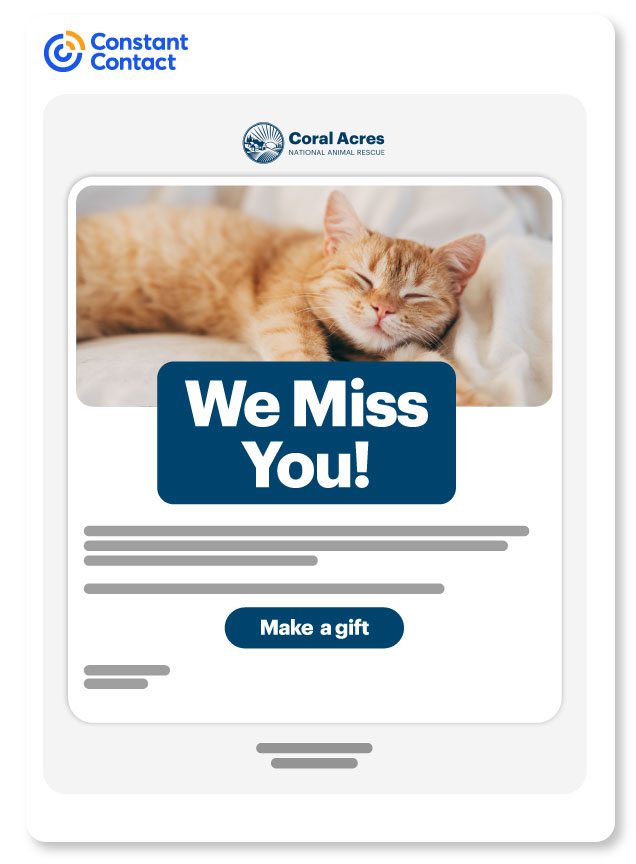
Make nonprofit marketing easier to manage.
The Constant Contact email marketing platform is built into every DonorPerfect system, so instead of paying multiple subscriptions or relying on disconnected tools, your team can build lists, sync data, send emails, and analyze results all in one system.
Collect the right data for donor segmentation
Consider a supporter who signs up after attending your annual gala and another who subscribes after reading about one of your programs. Both want to hear from your organization, but their interests may be different.
The information you collect gives you a foundation for donor segmentation and more relevant outreach. Look for opportunities to capture information such as:
- Signup source
- Program interest
- Event attendance
- Volunteer involvement
- Donor status
These details can help you group subscribers based on what you know about their relationship with your organization.
Pro tip: Keep your forms focused. Asking too many questions can make signing up feel like work. Prioritize the information your team will actually use for segmentation and outreach, and gather additional details as the relationship develops.
Turn in-person connections into email subscribers
Your organization probably meets potential subscribers in more places than you realize. Fundraising events, community presentations, volunteer orientations, conferences, open houses, and other in-person activities all provide opportunities to invite people to stay connected.
Place QR codes where supporters can easily scan them, such as:
- Event signage
- Table displays
- Printed programs
- Brochures
- Direct mail pieces
- Presentation slides
Pro tip: Be clear about what happens after someone scans. “Sign up for monthly program updates” gives people more context than simply “Scan here.”
Grow your email list across digital channels
Email marketing for nonprofits can extend well beyond your website. You can also offer a resource related to your mission in exchange for an email signup. Depending on your organization, that might be a guide, a checklist, an educational resource, a research report, or a campaign update.
Text messaging can offer another opportunity when supporters have already opted in to receive messages from you through that channel. Invite interested supporters to subscribe to email communications when email is better suited to longer stories, newsletters, or detailed updates.
Pro tip: Give interested supporters a clear next step and a communication option that fits how they want to stay involved. These early interactions can also provide useful signals for future donor engagement.
Keep your nonprofit email list clean
Growing your list is only half of the work. Maintaining it deserves regular attention, too. Supporter data naturally changes. People switch jobs, abandon old email accounts, update contact information, or change how they want to hear from organizations.
Establish a routine for reviewing your records and addressing issues such as:
- Duplicate contacts
- Invalid or bounced email addresses
- Outdated information
- Unsubscribes
- Missing communication preferences
- Long-term inactivity
Keeping this information current helps your staff work from a more reliable view of your supporters. Accurate data also makes your donor segments more reliable, so supporters aren’t grouped based on outdated interests, preferences, or engagement history.
Pro tip: Old spreadsheets, event sign-in sheets, and legacy records may contain useful contact information, but finding an old email address doesn’t necessarily mean that person expects to receive your current marketing communications. Review how the information was collected and honor the communication preferences associated with it before adding someone to an active email audience.
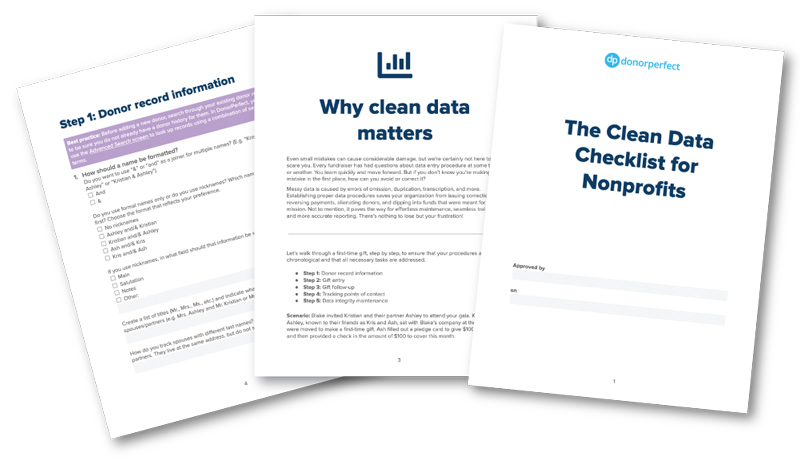
Give your donor data a regular checkup.
Clean, consistent records make segmentation and communication easier. Use DonorPerfect’s data management resources to identify common issues and keep your database in better shape.
Use donor segmentation to keep subscribers engaged
Once people join your nonprofit email list, the next challenge is keeping the content relevant. Different groups within your email list may benefit from different communication strategies.
Your database may include donors, volunteers, event attendees, monthly donors, advocates, peer-to-peer participants, and people who are simply interested in learning about your work. Donor segmentation helps you organize supporters by the information most useful to your engagement strategy.
For example, an event attendee might receive photos and follow-up information related to the event. A volunteer might be interested in upcoming opportunities and stories about the programs they’ve supported. A donor who consistently gives to one program may appreciate updates from that specific area of your work.
You can also segment based on engagement. Subscribers who regularly open and click your emails may be ready for different invitations than people who haven’t interacted with your communications recently.
Pro tip: Start with a few segments your organization can maintain consistently. As you learn more about your audience, refine them based on the information and engagement patterns that are most useful to your strategy.
Put your donor segments to work in your email strategy.
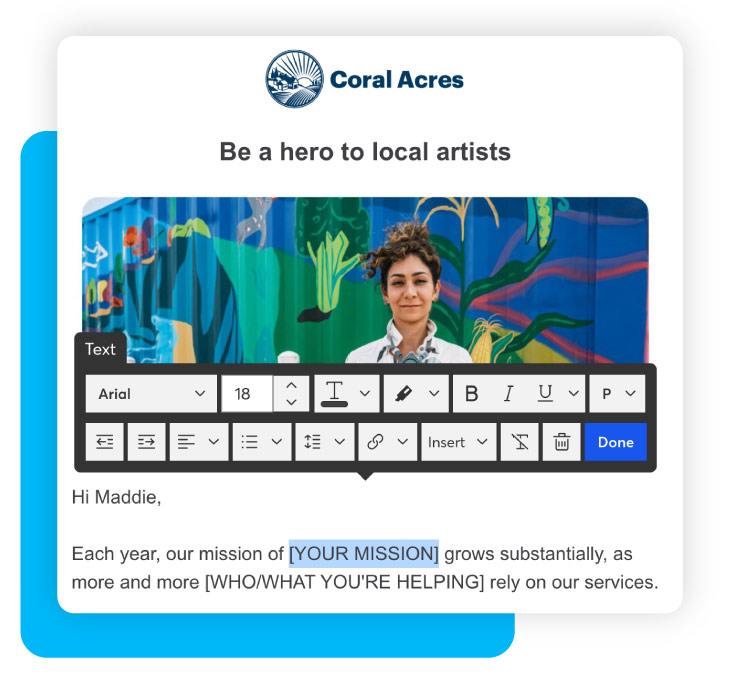
With Constant Contact built into DonorPerfect, you can use your donor data to send targeted email communications to specific groups and keep engagement information connected to your donor records.
Measure email list health and donor engagement
Email performance can tell you a lot about the quality of your list and the relevance of your communications. Instead of focusing only on the total number of subscribers, monitor how your audience changes and responds to what your nonprofit sends out.
Useful questions include:
- How many new subscribers are joining?
- Where are those subscribers coming from?
- Which donor segments engage most often?
- Are certain emails generating more unsubscribes?
- How many addresses are bouncing?
- Which subscribers have stopped engaging?
These patterns can help you identify where your list growth efforts are working and where your communication strategy needs attention.
For example, if an event generates many new subscribers but those contacts rarely engage afterward, review what they’re receiving after the event. The issue may be the follow-up rather than the source of the subscribers. Likewise, if one donor segment consistently clicks on program updates, that behavior can help inform future content.
Give email subscribers reasons to stay
People joined your nonprofit email list because something about your organization caught their attention. Your ongoing communication should continue earning that attention.
Share useful updates, show supporters what their involvement makes possible, and invite them to participate in ways that reflect their interests. Some subscribers may be ready to give. Others may want to volunteer, attend an event, advocate for your cause, or simply learn more.
You can also encourage existing subscribers to share particularly useful emails with people in their networks. A supporter who cares about your mission can introduce your organization to others who may want to hear from you, too.
Turn email subscribers into engaged supporters.
Use practical email templates to plan communications that welcome supporters, share your impact, and keep your nonprofit connected with its audience.

A healthy nonprofit email list grows by attracting interested supporters while continuing to provide value to existing subscribers. List growth takes time, and that’s okay. A smaller audience of people who actively want to hear from your nonprofit gives you a stronger foundation than a large collection of email addresses with little connection to your work.
By making signup easy, maintaining reliable data, and using donor segmentation to guide your communication, you can develop an email program that supports stronger donor engagement.
Download the free email template kit
Keep supporters connected after they subscribe
Frequently Asked Questions
1. How can nonprofits grow a healthy email list?
2. What makes a nonprofit email list healthy?
3. How often should nonprofits clean their email lists?
4. How does donor segmentation improve nonprofit email marketing?
5. What information should a nonprofit collect from email subscribers?
6. How can a nonprofit CRM help manage an email list?

Related resources

Nonprofit Communication Strategies for Modern Donors


Follow us on social!