







Subscribe to our mailing list

May 7, 2026 | Donor Acquisition, Fundraising Operations, Online Fundraising, Planning
43 Ways to Diversify Your Nonprofit Funding Sources
Nonprofit funding is harder to predict than it used to be.
Donor behavior shifts, grant competition grows, and costs continue to rise, often at the same time. When your organization relies too heavily on just one or two revenue streams, even a small disruption can put real pressure on your mission.
That’s why diversifying your funding matters. A balanced revenue strategy helps your nonprofit stay stable, respond to change, and keep growing. These nonprofit funding sources give you flexible ways to build that stability over time.
In this guide, we’ll walk through 43 funding sources for nonprofits and share practical ways to build a stronger, more reliable fundraising strategy.
Pro tip: Start with two or three new funding sources that match your team’s capacity. As you expand, tracking each source clearly becomes essential. When your donor data, campaigns, and results live in one place, it’s easier to see what’s working and where to focus next.
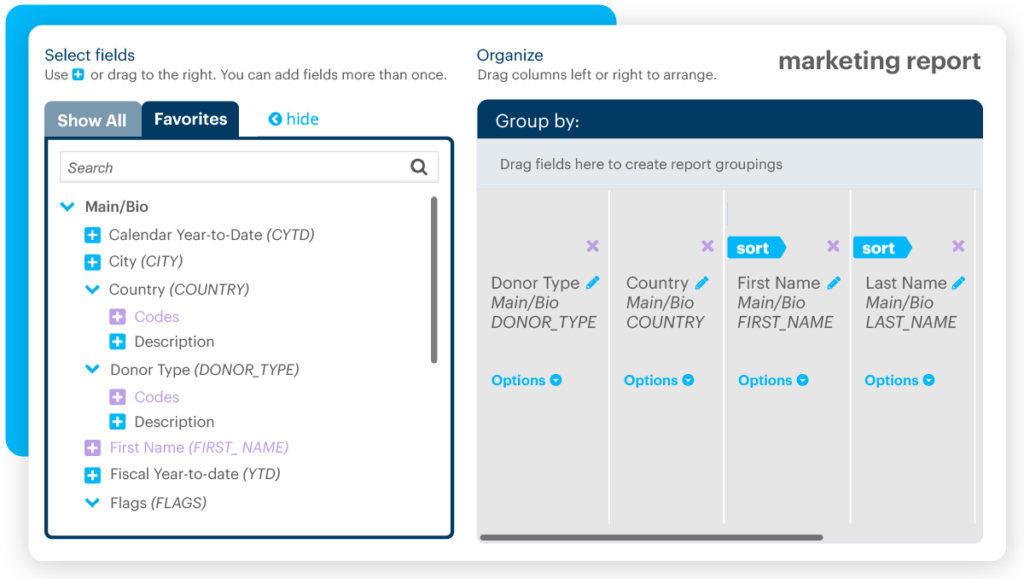
DonorPerfect helps you keep all your fundraising activity connected, so you can track revenue by source, monitor campaign performance, and make informed decisions about where to grow next—without adding extra manual work for your team.
Why diversified nonprofit funding matters
If you’re looking for funding for nonprofits, it helps to think beyond a single campaign or grant opportunity. The goal is to build a healthy mix of revenue sources that support your mission in different ways.
When evaluating funding sources for nonprofits, it’s important to balance immediate revenue with long-term sustainability.
Most nonprofits rely on a combination of:
- Individual donations
- Grants
- Corporate support
- Events and campaigns
- Earned income
In fact, recent research shows that more than 90% of nonprofits receive funding from individual donors, and very few organizations rely on a single revenue source alone—highlighting just how essential diversification has become.
Some of these sources bring in immediate revenue, while others take time to build but create long-term stability. Together, they can reduce risk and give your team more flexibility.
As your funding strategy grows, using a nonprofit CRM like DonorPerfect helps you track and manage each revenue stream more effectively.
Individual giving is the foundation of many nonprofit funding strategies, and many rely on multiple funding sources to stay resilient in uncertain conditions.
These nonprofit funding sources help build lasting donor relationships while creating both short-term and long-term support.
- One-time donations — A common source of support tied to appeals, campaigns, and special needs
- Monthly giving programs — Recurring donations that improve retention and provide predictable revenue
- Major gifts — Larger contributions from donors with strong capacity and connection to your mission
- Planned giving — Future gifts made through wills, estates, beneficiary designations, or contributions to endowment funds
- Online donations — Website-based giving through donation forms and campaign pages
- Text-to-give — Mobile giving that makes it easy to respond in the moment
- Peer-to-peer fundraising — Campaigns where supporters raise money on your behalf
- Crowdfunding campaigns — Organization-led fundraising campaigns that use online platforms to reach a broad audience and attract new donors
- Giving circles — Collective giving groups that pool support for shared impact
Together, these individual giving strategies can help you build a strong foundation of support while creating opportunities to grow long-term donor relationships.
Pro tip: Build a monthly giving program early to create predictable revenue and strengthen long-term donor relationships without relying on constant new appeals.
Monthly giving programs create reliable revenue and improve donor retention over time. Even a small group of recurring donors can make a big difference in your year-round stability.

Grant and institutional funding sources
Grant funding helps nonprofits launch programs, expand services, strengthen operations, or invest in long-term growth.
10. Foundation grants — Funding from private, family, or community foundations
11. Corporate grants — Support from businesses through charitable giving programs
12. Government grants — Local, state, or federal funding opportunities
13. Program-specific grants — Restricted funding for a defined service, project, or initiative
14. Capacity-building grants — Support for staffing, systems, technology, or operations
15. Research grants — Funding for studies, pilot programs, or innovation
16. Capital grants — Support for buildings, renovations, or major equipment
When combined with other funding sources, grants can provide critical support for growth, innovation, and long-term program stability.
Corporate nonprofit funding sources
Corporate partnerships can do more than fund a single event. The right relationship can create visibility, credibility, and ongoing support.
17. Event sponsorships — Financial support tied to recognition at an event or campaign
18. Cause marketing campaigns — Donations linked to a company’s sales or promotion
19. Matching gift programs — Employer matches that increase the value of donor gifts
20. Workplace giving programs — Employee giving through payroll deduction
21. Corporate partnerships — Ongoing support from business partners through annual giving, sponsorships, team fundraising, or long-term collaboration
22. In-kind donations — Donated goods or services that reduce costs
23. Volunteer grants — Company donations tied to employee volunteer hours
As part of a diversified funding strategy, corporate support can strengthen your visibility and create reliable, scalable revenue opportunities.
Event and campaign funding sources
Events and campaigns can create urgency, bring supporters together, and generate revenue while building a community around your mission.
24. Annual fundraising events — Signature events such as galas, luncheons, or benefit dinners
25. Auctions — Silent or live fundraising opportunities tied to donated items or experiences
26. Giving days — Time-based campaigns designed to drive participation and urgency
27. Fundraising challenges — Campaigns that encourage supporters to complete an activity or goal (like a fitness challenge or milestone) while raising funds and engaging their own networks
28. Walks and runs — Activity-based fundraising events that encourage community involvement
29. Virtual events — Online experiences that can expand your reach beyond local audiences
30. Seasonal campaigns — Appeals tied to year-end giving, GivingTuesday, or other key moments
31. Contests and incentive-based campaigns — Fundraisers that use rewards, recognition, or prizes to drive participation and engagement
These event and campaign strategies can drive short-term results while introducing new supporters to your mission and deepening existing relationships.
Pro tip: Use every event as an opportunity to capture new donor information and follow up quickly so one-time attendees can become long-term supporters.
With DonorPerfect’s event management tools, you can track attendee information, connect event participation to donor records, and follow up with personalized outreach, so every event supports long-term relationship building, not just one-time revenue.

Earned income funding sources
Earned income can strengthen your nonprofit funding mix by creating revenue that is not fully dependent on donations or grants.
32. Membership programs — Ongoing support tied to benefits, access, or community
33. Program fees — Revenue from classes, services, workshops, or registration
34. Merchandise sales — Branded products that raise both funds and awareness
35. Ticket sales — Paid admission to events, performances, or experiences
36. Facility rentals — Income from renting out space your organization owns
37. Consulting services — Fee-based advisory work grounded in your expertise
38. Training services — Paid workshops or educational support
39. Social enterprises — Mission-related business ventures that generate revenue, such as a nonprofit-run thrift store, café, or retail operation that supports your programs
40. Licensing and royalties — Revenue from intellectual property such as curriculum, training materials, or branded content
Adding earned income to your funding mix can create more flexibility while reducing reliance on traditional donations and grants.
Pro tip: Identify which supporters are most likely to give across multiple funding sources so you can focus your efforts where they’ll have the greatest impact.
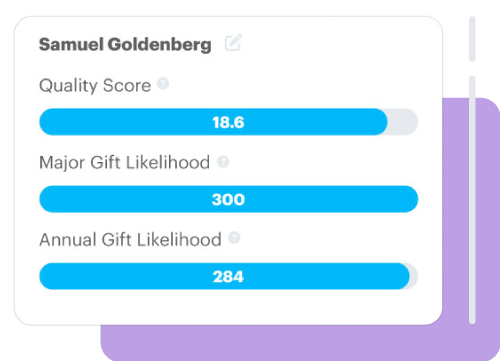
With tools like DonorSearch, you can uncover donor capacity and giving potential, helping you prioritize outreach, strengthen relationships, and grow revenue more strategically.
Digital fundraising continues to grow as donors look for faster, more flexible ways to give and engage.
41. Social media fundraising — Donations generated through social platforms and peer sharing
42. Donor-advised fund grants — Donor-recommended giving from donor-advised fund accounts
43. Digital wallet and mobile giving — Donations made through digital tools like Apple Pay, Google Pay, and mobile-optimized forms
As these channels continue to grow, they can help you reach new audiences and strengthen your overall fundraising strategy.
Pro tip: Make it easy for donors to give through the channels they already use, including online, mobile, and social platforms, to reduce friction and increase participation.
Today’s donors move between email, social media, events, and online giving before deciding to donate. To keep them engaged, your outreach needs to feel consistent and connected across every touchpoint.
Download your free copy of Multichannel Fundraising: 4 Strategies to Diversify Donor Engagement Across Channels to learn how to create a unified donor experience, personalize outreach, and build campaigns that drive long-term engagement.

How to manage multiple funding sources
Diversifying your revenue is a smart move. When evaluating funding sources for nonprofits, the real value comes from how well you track and manage them over time.
Managing that growth well is what turns a long list of funding sources into a strong fundraising strategy.
As your nonprofit adds more funding sources, your team needs a clear way to:
- Track where revenue is coming from
- Keep donor and prospect records organized
- Segment outreach based on giving behavior
- Measure campaign performance over time
For day-to-day tracking, your team needs a system that keeps donor and campaign data organized without adding extra manual work. This is where a nonprofit CRM becomes especially important.
DonorPerfect helps nonprofits keep donor and campaign data organized, track fundraising activity across multiple revenue streams, and make more informed decisions about where to grow next—all without adding extra manual work for your team.
That kind of visibility matters when you’re building a funding strategy that’s both flexible and sustainable, helping you save time, raise more money, and grow your donor community.
Pro tip: Track grants, deadlines, and outcomes in one centralized system so your team never misses an opportunity.
A nonprofit CRM like DonorPerfect helps you organize applications, monitor results, and identify which funding sources deliver the strongest return.
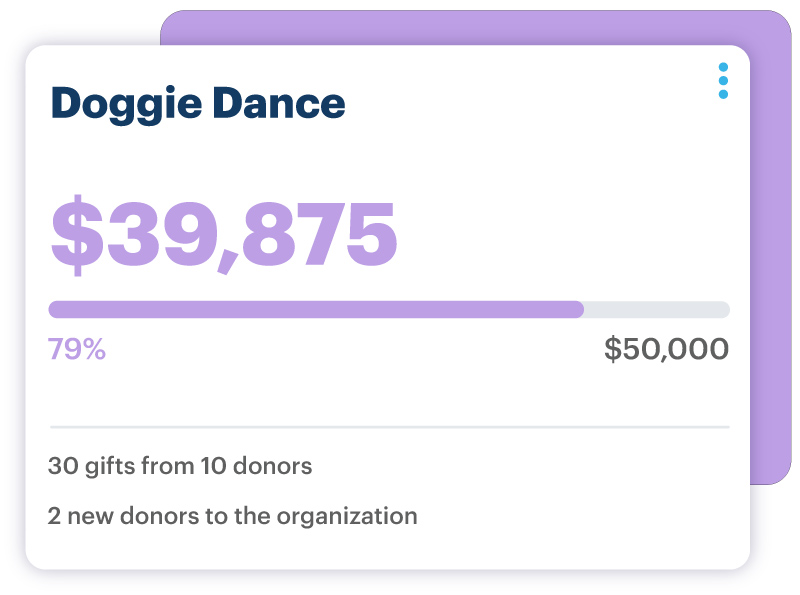
Diversifying your nonprofit funding takes planning, but it can make your organization stronger over time. As you grow your revenue mix, it helps to have a system that helps track performance and supports the full picture.
DonorPerfect gives nonprofits one place to manage donor relationships, track fundraising performance, and support every part of a growing strategy. Request your free DonorPerfect demo and start building a more sustainable funding plan.
Frequently Asked Questions
1. How do nonprofits get funding?
2. What are the most common nonprofit funding sources?
3. How can nonprofits raise funds effectively?
Request your free demo today
Build a more sustainable funding strategy

Related resources

DAFpay
With DAFpay, donors can recommend a grant from their DAF as part of your online giving experience. That makes it ...

Donor Segmentation Tips: How to Grow a Healthier Email List
Turn supporter data into more relevant outreach and stronger donor engagement Your nonprofit email list is constantly changing. New supporters ...
Follow us on social!