Nonprofit Technology & Fundraising Blog
Subscribe to our mailing list







January 28, 2026 | Donor Data, Fundraising Operations, Planning
Nonprofit leaders constantly have to decide where to focus, what to prioritize, and what to change. Nonprofit strategic planning helps you make those decisions faster and with less guesswork.
When you use the information you already have—your donor data and nonprofit reports—you can turn everyday activity into insight you can act on. By reviewing them consistently, you can spot what’s working or adjust your strategy as needed.
Many nonprofits collect a lot of information but still feel stuck when it comes time to make decisions. You might have hundreds or thousands of records in your database and still wonder:
Your donor data helps you move from “we think” to “we know.” And when laid out clearly in the right reports, it can help you:
Here are five ways to use donor data and nonprofit reports to strengthen your fundraising strategy and improve nonprofit strategic planning all year long.
One of the biggest challenges in fundraising is knowing who to prioritize. And because most nonprofits have limited time and staff, it’s important to focus on the relationships most likely to grow rather than treating every donor the same.
Your donor data helps you identify supporters who are:
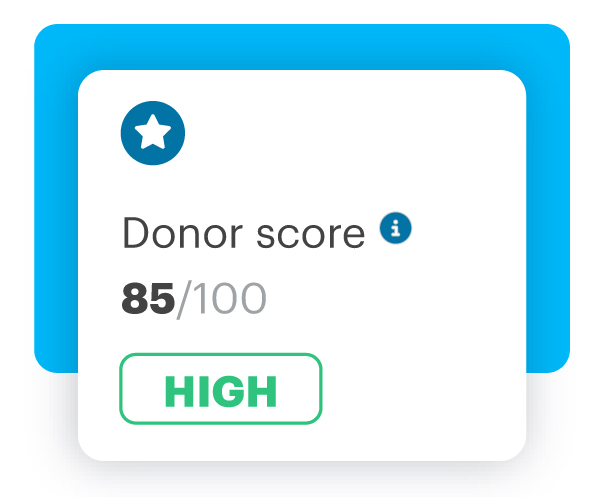
DonorPerfect’s Donor Score helps you quickly spot supporters who might be ready to renew or upgrade based on giving history. It’s an easy way to prioritize outreach and stay focused on the right next steps.
When you run the right nonprofit reports, you can start looking for trends like:
Suggested nonprofit reports to review:
Want to build a smart fundraising system (not just set goals)? In our recorded webinar Cracking the Code: The Secret to Raising More Money with Smarter Systems, fundraising strategist T. Clay Buck, CFRE explains why strong systems matter as much as strategy and how your donor data and nonprofit reports help you stay on track. Watch the webinar >>

A simple way to improve fundraising results is segmentation. When you use your donor data to send the right message to the right group of people, your outreach is more relevant.
Here are some ways to segment your outreach:
This is where nonprofit strategic planning gets easier to put into action. Rather than relying on broad assumptions, you can plan based on real evidence from your donor data and nonprofit reports.
Use nonprofit reports to help answer questions like:
Suggested nonprofit reports to review:
Many nonprofits default to the same ask string every year—or worse, they guess.
Your donor data can help you build suggested giving levels that make sense for your organization. For example, you can use it to determine:
Once you have suggested amounts, pair them with impact. Donors are more likely to give when your ask feels specific and purposeful. Show them what their gift can do, such as:
Suggested nonprofit reports to review:
When you use your donor data and nonprofit reports to shape your ask amounts, you create a fundraising strategy that’s easier to repeat and build on over time.
Once you’ve chosen your gift amounts and impact examples, use the DonorPerfect AI writing assistant to draft short, donor-friendly language for emails, letters, or donation forms. It’s free for all nonprofits to use.
Donors might open an email, click a social post, ignore a follow-up, attend an event, and then give months later through your donation form. If your team only measures one channel at a time, it can be hard to tell what’s actually working.
Your nonprofit reports should help you understand:
From a nonprofit strategic planning perspective, this helps you build a fundraising calendar based on what works.
Over time, you may start to notice patterns like:
Some channels appear successful because they bring in revenue quickly, while others support longer-term engagement and retention. Map out donor journeys to make fundraising performance more predictable.

Suggested nonprofit reports to review:
The best fundraising calendars are built on insight. When you use your donor data from the right reports, you can choose the right channel, better timing, and follow-up strategies.
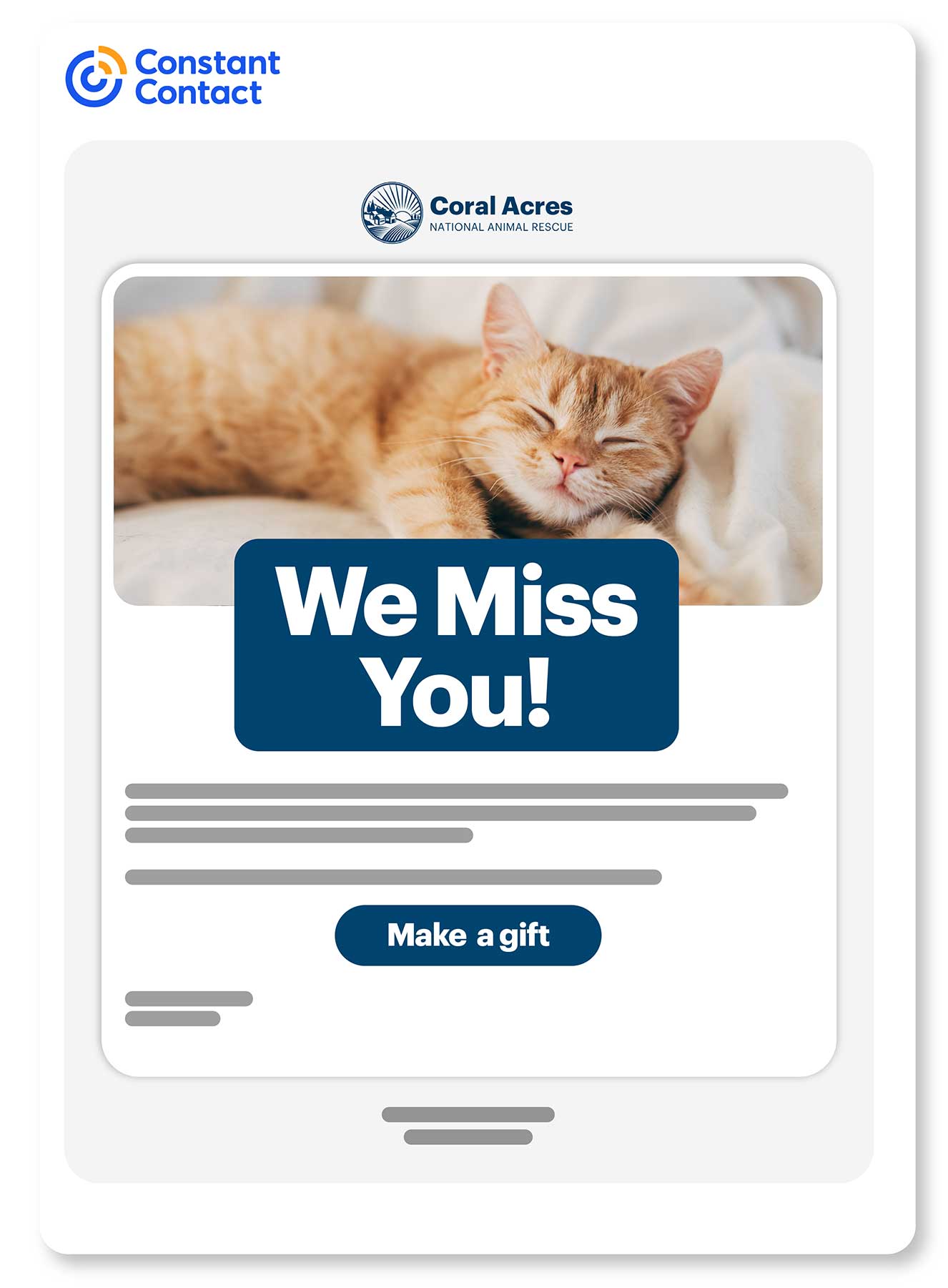
Connect donor management and email marketing in one workflow. DonorPerfect with Constant Contact supports multi-channel marketing and reporting, so you can segment outreach and track engagement as part of your nonprofit strategic planning efforts.
Some nonprofits only look at data and reports when leadership or the board asks for them.
Instead, think of reporting as a rhythm your team follows. It can be as simple as:
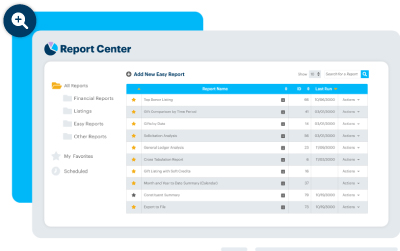
DonorPerfect offers scheduled reports, so you can automate the delivery of key nonprofit reports. This helps you stay consistent with reporting and keep nonprofit strategic planning moving forward.
When reporting is part of your regular operations, nonprofit strategic planning becomes easier to maintain:
Suggested nonprofit reports to review on a set schedule:
By consistently reviewing donor data and using nonprofit reports to guide decisions, your team can focus on what works, adjust faster, and build a stronger strategic fundraising plan over time.
Ready to use donor data more intentionally in nonprofit strategic planning? Download our free guide—Data-Informed Planning for Fundraising Success—written by nonprofit expert T. Clay Buck, CFRE.
Data-Informed Planning For Fundraising Success with T. Clay Buck, CFRE



Follow us on social!