Nonprofit Technology & Fundraising Blog
Subscribe to our mailing list






January 30, 2026 | Donor Acquisition, Donor Engagement, Fundraising Communication, Fundraising Operations, Online Fundraising, Planning
Today’s donors want more than a one-time transaction. They want to understand how their gifts, event attendance, volunteer time, and social sharing contribute to outcomes they care deeply about. To meet those expectations, nonprofits need to build donor engagement into their overall fundraising strategy.
This kind of relationship-building doesn’t happen by accident. It takes consistent systems, clear priorities, and thoughtful nonprofit strategic planning that makes engagement easier to sustain across busy seasons.
Traditional fundraising and strategic donor engagement may seem similar at first, but they lead to very different donor experiences. Traditional fundraising often focuses on short-term outputs. Strategic engagement focuses on building relationships that make results sustainable over time. Here’s a quick comparison to help you spot where your current approach falls.
Traditional fundraising | Strategic donor engagement |
Communicate the same way with all donors | Tailor outreach based on donor interests, behavior, and motivations |
Focus primarily on donation requests | Balance asks with consistent impact-focused communication |
Know donors through data alone | Know donors through data alone |
Rely on long-standing outreach processes | Rely on long-standing outreach processes |
When you’re managing thousands of records across multiple campaigns, even small adjustments can make a big difference. These six strategies can help you strengthen donor relationships while improving your fundraising strategy over time.
Improving your fundraising strategy doesn’t require a massive overhaul. Small, thoughtful changes can significantly improve donor connection and retention.
An effective strategy starts with clarity. You need a clear picture of who your current and potential supporters are, not just as data points, but as people.
This helps you build “donor personas”—based on your constituent and prospect data—that represent the types of supporters in your community, making it easier to create relevant communications that resonate with each audience.
How to define (and refine) your donor personas:
Pro tip: Using research tools like DonorSearch, you can track characteristics such as:
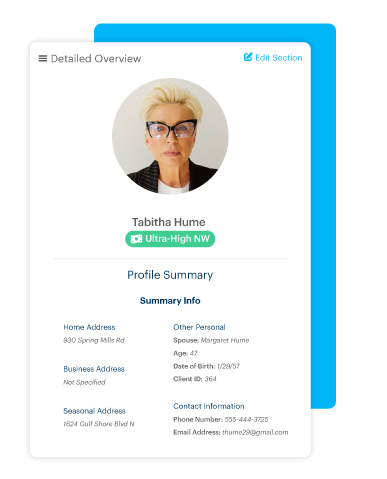
Once you know what motivates different donor groups, you can tailor your welcome series, upgrade asks, and stewardship touchpoints to match. Building donor personas gives your fundraising strategy more focus, so your outreach feels personal instead of generic.
If every donor receives similar messaging, many of them will tune out. And if a donor receives mixed messaging, it can affect their trust in your organization. Putting more intention into your communications process, by adapting your messaging based on what motivates different groups, helps ensure that each supporter feels seen and valued.
As part of your nonprofit strategic planning, define a few core segments your team can consistently use across campaigns, reporting, and stewardship. Many organizations start with these segments:
Before getting too granular, make sure your segmentation stays consistent across reporting and email marketing. That means data hygiene on the reporting side and fundraising automation on the marketing side, using tools for regular system upkeep, customizable reports and dashboards, and an integrated solution for email marketing automation.
When segmentation is repeatable, it supports a healthier fundraising strategy because you can personalize communication without rebuilding everything from scratch.
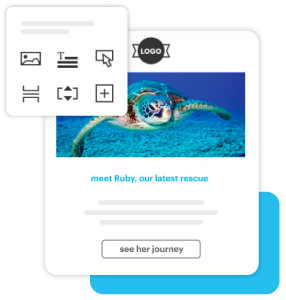
For example: DonorPerfect comes with Constant Contact built in, so when you create segments, they’re automatically synced across your donor records and communication tools, and you can quickly personalize email templates with data from your system.
Rather than engaging with your supporters on a campaign by campaign basis, routine stewardship ensures they experience a balanced mix of gratitude, impact updates, opportunities, and asks. It keeps your mission on their minds, provides insight into their future participation, and helps you break down operational tasks among your team.
Ongoing stewardship and relationship-building should be part of your fundraising strategy because retention matters as much as acquisition. Fundraising automation can significantly reduce the amount of steps you have to take to steward your donors. Scheduled outreach, automatic reminders, and task assignments help you map out what you’re communicating, when, where, and to whom.
When engagement happens across multiple staff members, it’s critical to track calls, meetings, notes, and next steps in one place so donors don’t fall through the cracks.
Fundraising automation supports:
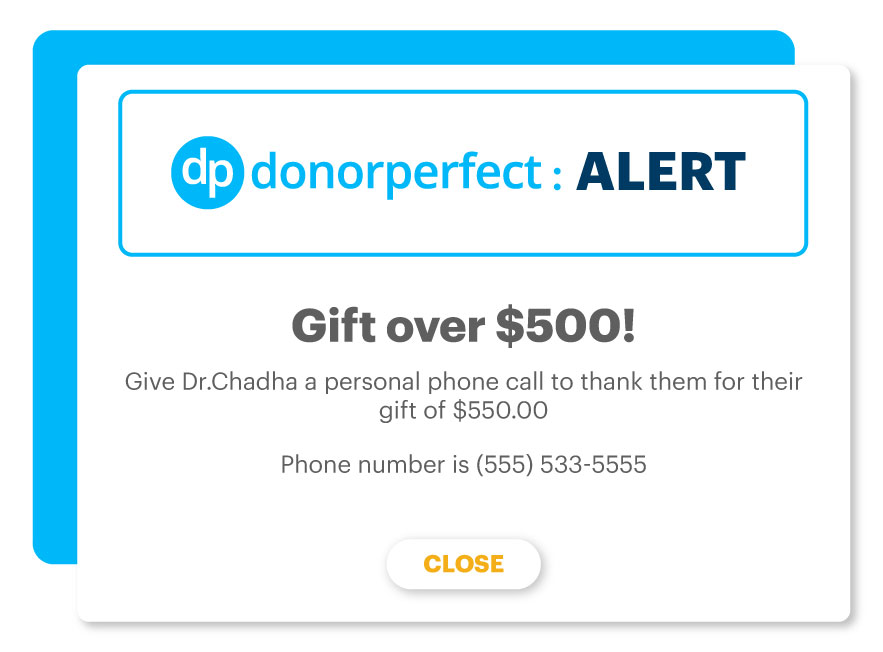
For example: With DonorPerfect SmartActions, you can automatically trigger task assignments when certain actions are taken, like automatically scheduling a personal thank-you call for any gift made over a certain amount. This ensures the right supporter is contacted by the right team member at the right time.
Journey mapping supports stronger nonprofit strategic planning because it helps you standardize stewardship while still leaving room for personalization. New donors, retained donors, and lapsed donors all need a different stewardship process, and your engagement attempts can fall flat if they’re not made at the appropriate time. Each donor is on their own journey, from discovering your nonprofit, to being stewarded, to hopefully upgrading their gift or deepening their participation.
Mapping donor journeys is a technique for visualizing and assisting each step along the way. It helps identify gaps in your communications, deliver the appropriate message at the appropriate time, and improve stewardship consistency across your staff.
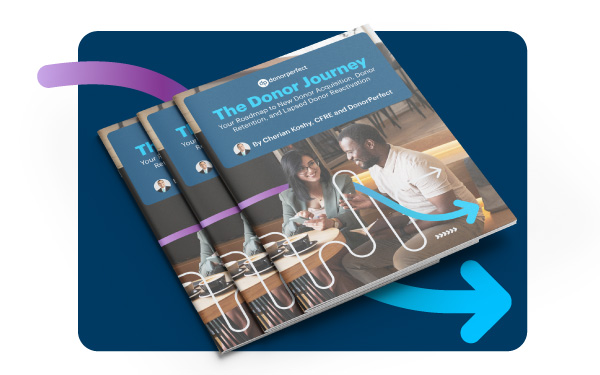
Pro tip: Learn how to map, track, and measure the key stages of donor engagement in The Donor Journey, a free guide by Cherian Koshy, CFRE, and DonorPerfect.
Even the best fundraising strategy can fall apart if your team doesn’t know where to focus first. To understand who’s truly engaged financially, look beyond total dollars raised and track giving momentum over time.
Financial engagement scoring helps you quickly identify:
When you combine this insight with a simple stewardship plan, you can make smarter decisions about who gets a personal call, a tailored impact story, or an invitation to take the next step.
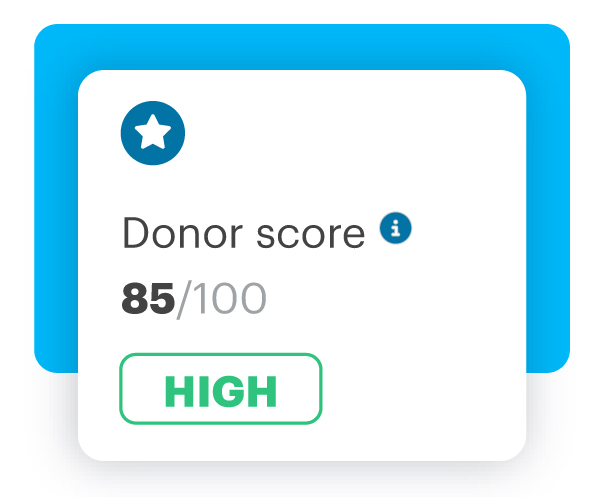
Pro tip: When time is limited, start with giving behavior. DonorPerfect’s Donor Score highlights how financially engaged donors are based on giving recency, frequency, and amount, helping you decide who needs a touchpoint first.
It’s important to remember that your donor engagement strategy isn’t meant to be static—it evolves based on how your donors respond.
During nonprofit strategic planning, decide which engagement metrics you’ll monitor each month so your fundraising strategy evolves based on real donor behavior. In addition to tracking donor retention and dollars raised, pay close attention to engagement performance indicators, such as email open and click-through rates along with list opt-outs and unsubscribes. Fortunately, there are nonprofit tools that provide a wealth of knowledge about your supporters’ engagement tendencies, but integration is key. Using an email marketing platform that integrates with your donor management software, you can sync engagement data across reports, dashboards, and campaign analyses.
For example: DonorPerfect customers using their built-in Constant Contact integration see 19% more people open their emails and 180% more people click on their email links.
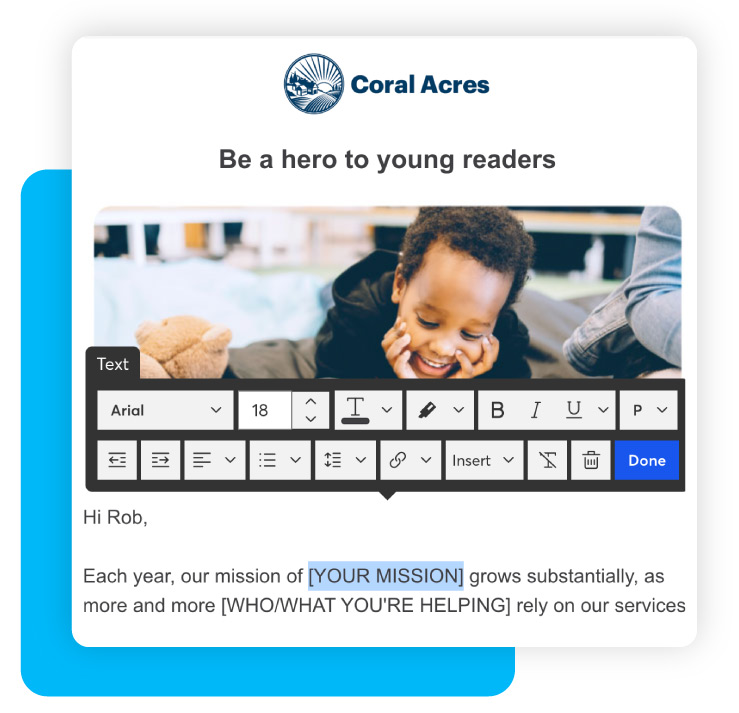
Explore how DonorPerfect helps you move from one-size-fits-all to personalized, purpose-driven donor engagement. Different fundraising goals call for different approaches.
DonorPerfect supports multiple engagement models:
When you’re working through nonprofit strategic planning, these engagement models can help you choose an approach that fits your goals, capacity, and communication style. Each model helps nonprofits structure communications in a way that respects donors’ autonomy and values non-financial contributions. Learn more in our free guide, Donor Engagement Models for the Digital Age, available for download below.
Donor Engagement Models for the Digital Age



Follow us on social!